
Ben Platts-Mills at Aeon:
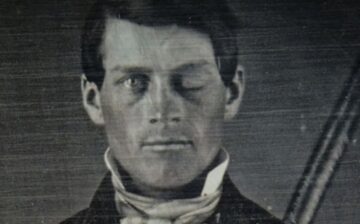 I began researching the lives of two 19th-century figures who have both been described as disinhibited. The first was a railroad construction foreman, Phineas Gage. The second was the photographer Eadweard Muybridge (born Edward Muggeridge in England). The two were contemporaries, and both lived in San Francisco for a time. Both were injured in accidents. But there the similarities end. Despite Muybridge’s brain injury being well documented and despite it transforming him, as some claim, in profound and disastrous ways, he scarcely features in the brain science literature, and his legacy remains predominantly that of an artistic and technical genius. Gage, by contrast, became famous for the outrageous behaviour that supposedly resulted from his injury. The literature paints him as a kind of avatar for behavioural dysfunction, with every other aspect of his life overshadowed by his status as disinhibition’s patient zero. Why are the legacies of these two ‘disinhibited’ people so different? I believe the answer tells us almost everything we need to know about the condition, about its origins and its continued use today.
More here.
Enjoying the content on 3QD? Help keep us going by donating now.