
Maria Popova at The Marginalian:
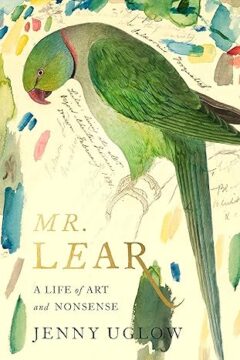 In the late summer of 1832, England was set aflame with wonder — a glimpse of something wild and flamboyant, shimmering with the lush firstness of a world untrammeled by the boot of civilization.
Edward Lear (May 12, 1812–January 29, 1888), barely out of his teens, had been working on his Illustrations of the Family of Psittacidae, or Parrots for two years. Moved by the young man’s talent and passion, one of William Turner’s patrons — a wealthy woman with a deep feeling for nature and art — had procured for him an introduction to the newly opened London Zoo, which had denied other artists access. Lear spent endless hours at the parrot house. When the zoo closed, he dashed across Regent’s Park to the museum of the London Zoological Society and continued drawing.
In a letter to a friend penned at the feverish outset of the project, he is already becoming himself — passionate and playful, part Humboldt, part Lewis Carroll, entirely original, prototyping the nonsense verse he would be remembered for:
For all day I’ve been away at the West End,
Painting the best end
Of some vast Parrots
As red as new carrots
more here.
Enjoying the content on 3QD? Help keep us going by donating now.