
Paul Grimstad at The Current:
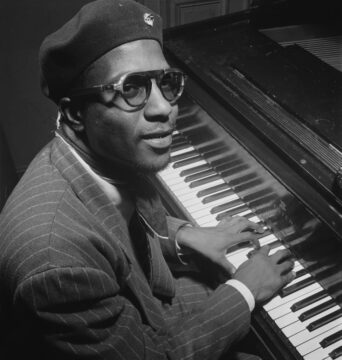 In a 1989 interview with the Detroit Free Press, director Charlotte Zwerin worried that her documentary Thelonious Monk Straight, No Chaser, then newly out in general release after premiering the year before, would be labeled a “jazz film.” Zwerin had grown up, in the 1930s and ’40s, in Detroit, where she had heard a lot of jazz and become a lifelong fan of the music, yet she wanted audiences to see simply that Monk was “an American composer of tremendous stature” who “wrote beautiful songs.” Watching Straight, No Chaser today, you see just what she meant—calling this music jazz (or even American) somehow dilutes the once-in-a-millennium originality of songs that can be heard with the same jolt of immediacy and surprise in all times, places, and genres.
After moving to New York and becoming a documentary film editor at CBS, Zwerin joined the pioneering team Drew Associates, the originators of the observational documentary style Direct Cinema, in the early sixties. When Drew cameraman Albert Maysles and his brother, David, struck out on their own, Zwerin joined them. Direct Cinema involved recording events as they happened, without intervention by the filmmakers, and then, in the editing room, shaping a narrative from the often dozens of hours of raw footage.
more here.
Enjoying the content on 3QD? Help keep us going by donating now.