
Sam Jennings at The Hinternet:
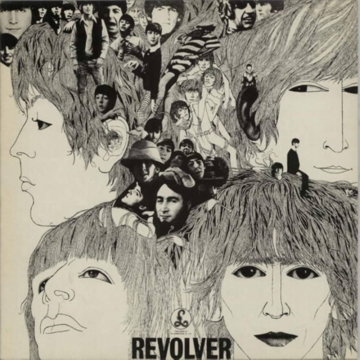 Let’s begin with an inconvenient truth: there’s really nothing new to be said about Revolver, just as there’s nothing new to be said about The Beatles themselves. On this, the 60th anniversary of the most adventurous record by the most adventurous rock band in history, every tiniest piece of Beatles ephemera has been so mythologized and capitalized upon, there isn’t a single anecdote, not a moment of their music, not an interview or a recording that hasn’t been scoured, analyzed, and re-relayed to hundreds of millions of fans and obsessives in the decades since their breakup. The Beatles are an emblem and an industry to themselves, an unrivalled nostalgia project, and a colossus of pop symbolism so huge it can be difficult to even hear the music underneath it all, to understand its place in the short history of popular music (and the shorter history of recorded music), and the way it once shook the entire industrialized world awake — though awake to what, it’s still hard to say. We sleep so hard in this century. And we no longer believe our dreams.
Well you may ask: how does this music still dazzle us, then? How does it — like Beethoven or Bird — still appear to us like an Everest in rearview, like a peak already climbed, and we don’t how, though its shadow’s only growing wider behind us, in the path of the cruel postmodern Sun… How does each successive generation find itself in the same place, cracking their heads in disbelief against the output of only 8 years — 1963 to 1970; a little over 200 songs, 12 studio albums — and wonder how four Northern boys became the most famous musicians in the world, managing to so coalesce that ultimate decade of cultural upheaval (the fuckin’ Sixties, man, dig) they ended up the symbol-to-end-all-symbols of commercial pop’s triumph as the last great artform of the 20th century?
More here.
Enjoying the content on 3QD? Help keep us going by donating now.