
Laura Kolbe at LitHub:
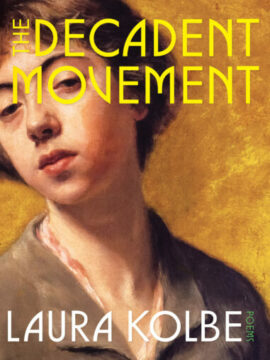 I tell my students—the MFA ones who work in wine shops, bookstores, publicity, marketing, nannying; the MD ones in their long apprenticeship at clinics and hospitals—that having a job outside of writing is an incomparable boon to their creative work. I say this and believe it, and not only because believing that one’s life is essentially lucky seems to me to be one of the tricks to happiness. I say it not in the sense of the well-known Flaubertian dictum (“be regular and orderly in your life,” etc.) that bourgeois strictures will lead to liberation in the creative work. I say it because having an intimate, almost sensual relationship to the clock is the derangement. The way that you caress, slap, or kick the intransigence of adamantine time is what we call, on the micro level, your meter. On the macro level, it’s your voice, your poetics.
In 1995, Fanny Howe published the quiet minor masterpiece O’Clock with the now-defunct, almost-too-perfectly-named press Reality Street Editions. The book’s conceit is startlingly simple: short poems, nearly all under a page, most with a time stamp for a title. Each poem feels like the blinding-bright perception of one sublime minute. Their endings sometimes rail or exult at time’s sprint. (“Get up, girl. / A sun is running the world” ends “5:47.”)
more here.
Enjoying the content on 3QD? Help keep us going by donating now.