

by S. Abbas Raza
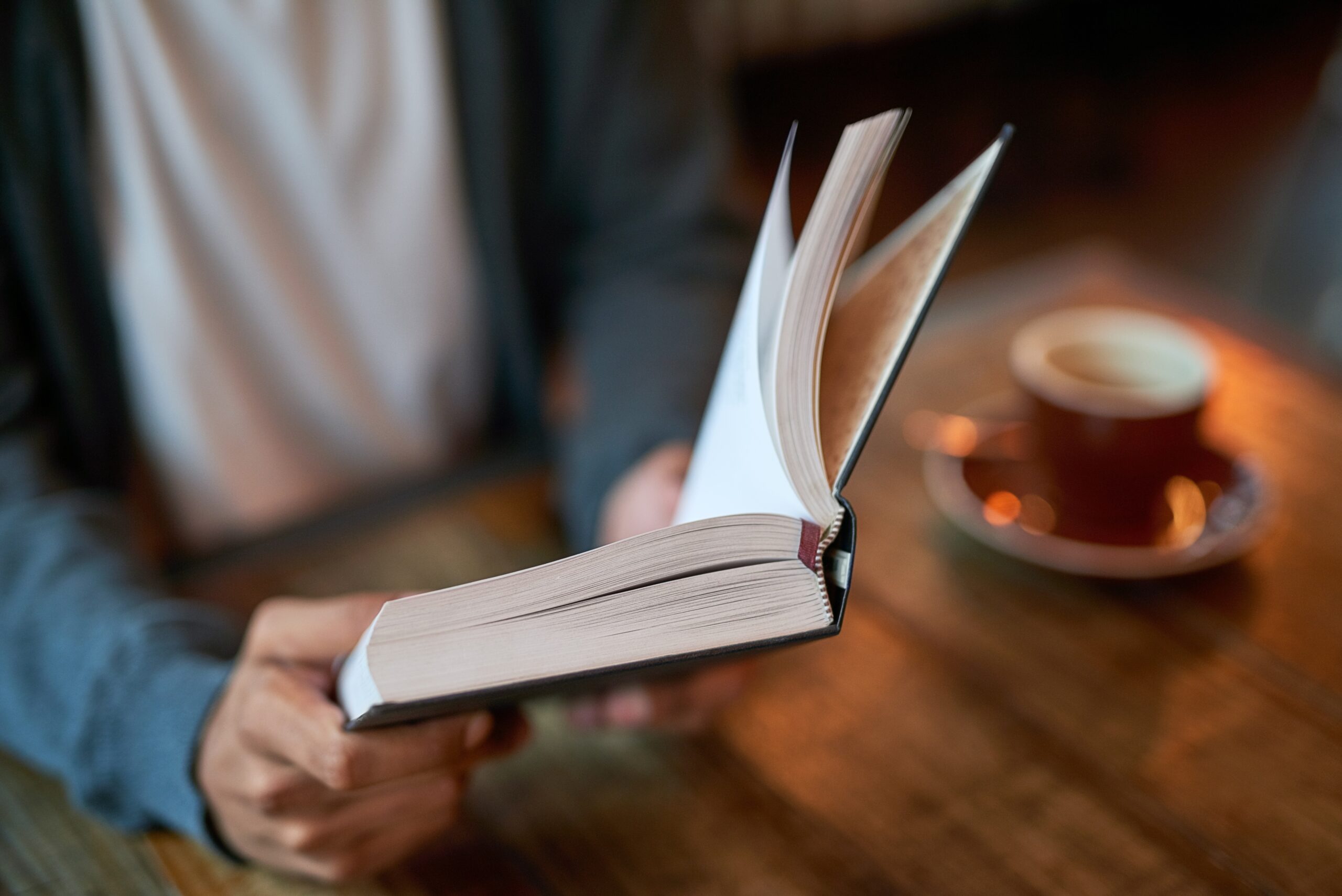
A library offers a simple experiment in attention. We arrive with a question, browse a shelf, and often leave with a book we did not know to seek. The catalog helps us find a known title; the room gives us a chance to notice something unexpected.
Reading also changes the pace of a day. A paragraph asks us to hold one thought while the next unfolds. We can pause, return to a sentence, or follow a reference into another book. That slow movement is useful when a subject resists a quick answer. It makes room for uncertainty without requiring us to settle it at once.
Public libraries make that kind of attention available to people who cannot buy every book or subscribe to every journal. They offer shared tables, librarians who know the collection, and a place to work without a purchase. The value is practical as well as cultural: a person studying a language, researching a local decision, or simply reading for pleasure can begin there.
Digital reading has its own advantages. Search can bring an obscure source into view in seconds, and an electronic copy can travel anywhere. Yet the ease of switching windows can divide a reader’s attention. A book and a quiet room sometimes help us stay with a question long enough to revise our first impression.
These forms of reading can coexist. The interesting question is how to preserve curiosity, access, and sustained thought across them. A library is one place where that question becomes concrete, because people with different aims share the same shelves and find their own paths through them.
Temporary editorial pipeline test; this post will be removed after verification.