
Harmon Siegel at Artforum:
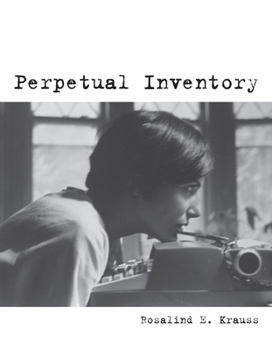 IT WAS 1968, and Barbara Rose was excoriating her Artforum colleagues in the pages of the magazine. Assassinations, riots, and wars were ripping the country apart. Yet somehow these writers were wasting their energy and talents debating how sculpture could acknowledge its dependence on the floor. Their zeal would have been appropriate “to a discussion of black power, urban renewal or war resistance.” But in a “morally and politically neutral activity like art criticism,” it was worse than absurd. It was repugnant.
Today, one rarely encounters the kind of stridency that Rose deplored in critics like Rosalind Krauss and Michael Fried, then leading voices in Artforum, not to mention the fury of Rose’s response. Not because criticism has become neutral, but because we displace its controversial debates onto questions of intention and impact. We ask about critics’ beliefs (do they have good politics?), their effects on audiences (do they make their readers better?), and their institutional positions (are they complicit with bad actors?). These arguments remain lively, even vicious. But we no longer argue about whether art as such is a matter of life and death—we assume that it’s not. Consequently, critics aren’t prompted to ask about the political valence of their own activity: Is criticism itself a moral good?
more here.
Enjoying the content on 3QD? Help keep us going by donating now.