
Mark Higgins at Aeon Magazine:
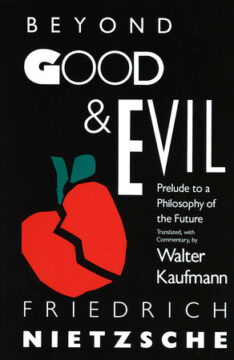 Friedrich Nietzsche said a great deal about himself. He was the self-styled ‘Antichrist’, the herald of the ‘death of God’, a thinker who prided himself on disclosing the ‘human, all-too-human’ origins of morality, the soul and religious belief. He despised Platonism, regarded himself as history’s most formidable opponent of Christianity, and often wrote with a fiercely materialist agenda. Given these credentials, Nietzsche appears to be one of the least likely figures to merit the title ‘mystic’. But he was precisely that.
One reason it might seem odd to call Nietzsche a mystic is that he himself went to great lengths to oppose certain forms of mysticism. Nietzsche contrasted his relationship to mystical thought with that of his predecessor, the German pessimist Arthur Schopenhauer. Whereas Schopenhauer idolised the mystic as someone capable of intuiting the secret, inner oneness of all things, Nietzsche considered such a train of thought to be deeply pathological. To even countenance the possibility of a deeper, truer layer of reality beyond appearances – as Schopenhauer did – is to deny the value of this world in favour of something imaginary.
more here.
Enjoying the content on 3QD? Help keep us going by donating now.