
Robert Zaretsky at The American Scholar:
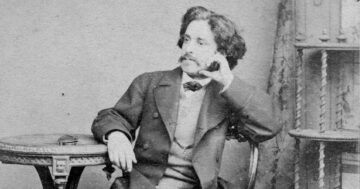 During Lafargue’s own lifetime, the nature of work was undergoing a traumatic transformation. The seismic effect of the first and second industrial revolutions, as well as the quickening pace of globalization, proved an extinction event for traditional forms of production. “The gods and kings of the past,” declared the historian Eric Hobsbawm, “were powerless before the businessmen and steam engines of the present.” As factory workers and unskilled laborers replaced ateliers and artisans, the former struggled to organize themselves, a struggle into which Lafargue threw himself body and soul.
Or, perhaps, not his entire soul. His essay’s title reveals a dramatic divergence of goals he and union leaders held. He bemoans the demand of workers for shorter workdays (which often lasted as long as 12 hours), insisting that curtailing work hours did not represent victory but defeat: “Shame on the proletariat, only slaves would have been capable of such baseness” to have sought such an outcome. On the contrary, he declaims, workers should oppose the very notion of work.
more here.
Enjoying the content on 3QD? Help keep us going by donating now.