
Maggie Millner at n+1:
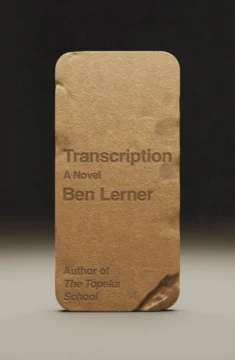 Transcription is his first book written as an elegy, a mode that comes with a thornier-than-usual crop of formal mandates. What kind of verbal machine is an elegy supposed to be, let alone one for intellectual giants like Waldrop or Kluge? To honor the departed mentors in true mimetic fashion, the ideal book should both describe and ventriloquize them, incorporating these writers’ love of slippage and fragmentation, their aversion to cliché and self-seriousness, their taste for the marginal and off-kilter over the exhaustive and august. It should constellate their favorite metaphors and métiers: dreams, angels, ghosts, “apothegms.” It should resist hyperbole. It should purloin language and motifs from their own books and letters, enacting the alchemy of artistic influence. It should alert us to the limits of memory and bend our sense of linear time. It should also, preferably, and wherever possible, approximate the conditions of death itself.
Implausibly, Transcription pulls off all this and more. It is a lovely, desponding, idiosyncratic novel, anchored in a series of dialogues about artmaking, technology, and literal and figurative parenthood.
more here.
Enjoying the content on 3QD? Help keep us going by donating now.