
Daniel T. Blumstein, Peter Mikula, and Piotr Tryjanowski in The Conversation:
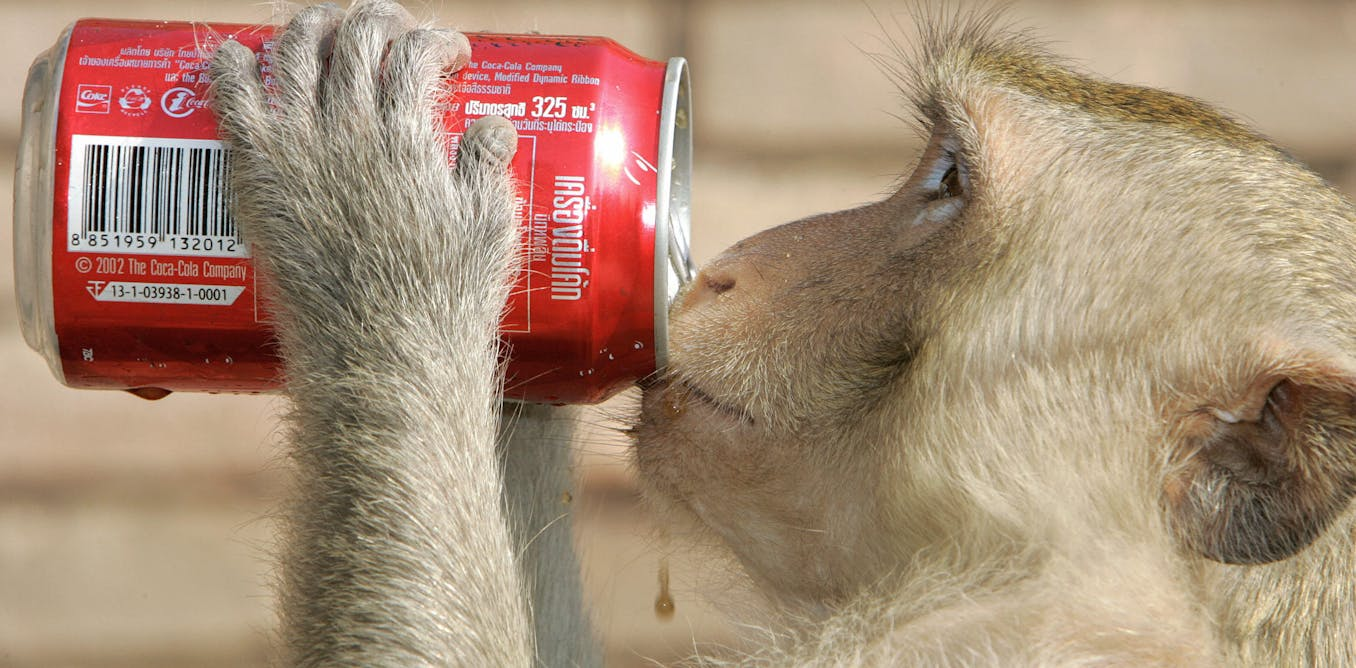 The urban monkeys in New Delhi are so bold they’ll steal the lunch right off your plate. If you’ve spent time in New York, you’ve probably seen squirrels try to do the same. Sydney’s white ibises got the nickname “bin chickens” for stealing trash and sandwiches.
This brazen behavior isn’t normal for most species in the countryside, yet it shows up in urban wildlife, and not just in these cities.
Studies show that animals living in urban environments around the world exhibit common sets of behaviors. At the same time, these urban animals are losing traits they would need in the wild. This process of urban animals’ behavior becoming more similar is known as “behavioral homogenization,” and it accompanies the loss of species diversity with urbanization.
We study animals in urban settings to understand how humans can help wildlife thrive in an urbanizing world. In a new study, we explore the causes and the long-term consequences of these behavior changes for urban wildlife.
More here.
Enjoying the content on 3QD? Help keep us going by donating now.