
Shahram Khosravi at Cabinet Magazine:
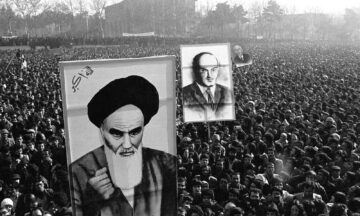 Ali Shariati, often regarded as the principal ideologue of the Iranian Revolution, was a student in Paris in the late 1950s when he became involved with the Algerian national liberation struggle and encountered the writings of Frantz Fanon. Shariati translated anti-colonial thought into Islamic symbols, locating within Islam a revolutionary potential capable of sustaining anti-colonial struggle. He sought to merge Fanon’s revolutionary anti-colonialism with an Islamic existentialist framework, linking the material struggle against oppression with the spiritual search for meaning.
In a letter, Shariati outlined this vision to Fanon. Fanon’s reply expressed a familiar hesitation, the same reservation he had voiced toward the Négritude movement. He regarded the pursuit of “one’s roots,” whether in religion, ethnicity, or race, as a misguided path to liberation. His orientation was forward-looking. As he wrote in Black Skin, White Masks: “I do not want to exalt the past at the expense of my present and of my future.”
more here.
Enjoying the content on 3QD? Help keep us going by donating now.