
Christie Pearson at the MIT Press Reader:
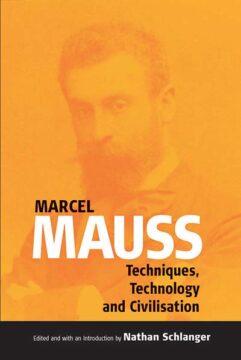 There is a problem that bathtubs pose to the designer, and ergonomics is one way in which designers have tried to address it. What constitutes the optimum bodily position in the bath? It seems that anthropologist Marcel Mauss might have been grappling with a related question in his 1934 essay “Techniques of the Body,” which envisioned a future, global “socio-psycho-biological study” of what might be called habits, gestures, and practices of the body. Sitting, standing, dancing, bathing, drinking — these habits enfold physiological, psychological, social, and sexual dimensions, at once natural and cultural, specific and vast. Read this way, Mauss anticipates a kind of social ergonomics, one that asks not only how bodies fit objects, but what bodies are doing and what kinds of social space they create.
In Turkey, you lie prone on a heated platform, then sit on a bench in a personalized niche with a basin collecting water, which you then throw over yourself. You are with children and friends.
In Japan, you squat to collect the water, dowse and scrub yourself, then enter a deep tub to soak, sitting with knees bent up. At home or at the sentō, you are usually with family members.
more here.
Enjoying the content on 3QD? Help keep us going by donating now.