
Eric Drexler at AI Prospects:
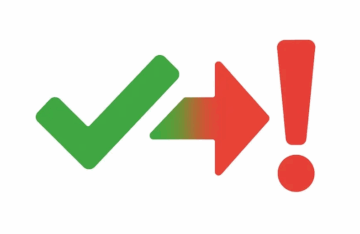 Complex ideas often require conditions and qualifiers to remain true. When these ideas are rounded off to something simpler (as always happens when ideas spread), the effects vary: Sometimes, a concept rounds to a simplification that still pushes beliefs toward truth.1 Sometimes, a concept rounds to something thoroughly false yet memetically fit — and toxic. And sometimes, the false version replaces the original,2 and true lends credibility to the false, or the false discredits the true.
This pattern — ideas that are “rounded to false” — breaks societal learning. In the past, ideas rounded to false have led to large-scale death and misery through misguided actions and missed opportunities.3 When toxic rounding happens today, we lose both insights and the ability to recognize what we’ve lost. Understanding this pattern gives us tools for recognition and defense. It also flags a warning for gatekeepers
As we’ll see, rounding to false is a particular problem when exploring ways forward in a time of transformative change.
More here.
Enjoying the content on 3QD? Help keep us going by donating now.