
David A. Bell at The Nation:
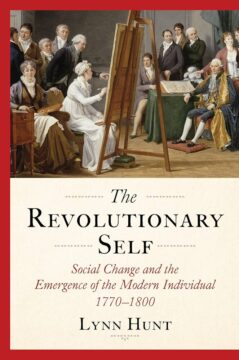 In that classic of Western cinema, Monty Python’s Life of Brian, the title character addresses a crowd in Jerusalem that has mistaken him for Jesus Christ. “You’ve got it all wrong,” he pleads. “You don’t need to follow me. You don’t need to follow anybody. You’ve got to think for yourselves. You’re all individuals!” The crowd chants back, in unison, “Yes, we’re all individuals!” “You’re all different!” Brian protests. “Yes, we’re all different!” the crowd responds (though one lone voice insists, “I’m not”).
The scene illustrates as well as anything the problem of trying to write a history of that endlessly fascinating but endlessly slippery subject—the “self.” The self can be defined as the way people experience and understand their own individuality. The difficulty stems from the fact that the very language people use to describe and express their individuality is, like all language, something they take from and share with others. Many great historians have taken as a theme the birth of modern Western individualism, associating it with many different eras—notably, the Renaissance, the Enlightenment, and the eras of Romanticism and high Modernism. Yet in each case, the terms in which individuals expressed their supposedly ineffable, unique identities have tended to sound remarkably conventional and similar, thereby undermining the historians’ case.
more here.
Enjoying the content on 3QD? Help keep us going by donating now.