
Sajad Hameed and Rehan Qayoom Mir at Jacobin:
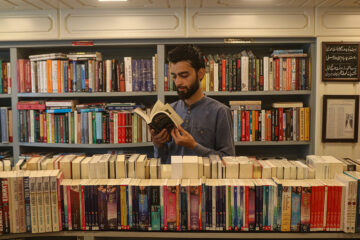
The bookshops in Lal Chowk, in Srinagar — the summer capital of India-administered Kashmir — had been, as usual, places of quiet and repose. But on August 7, police officers started raiding stores, pulling titles from shelves and questioning sellers. By then, the news had already spread online: the Jammu and Kashmir administration had banned twenty-five books. In the hours and days that followed, booksellers scrambled to check their inventories.
These books included works by Booker Prize winner Arundhati Roy, along with writers like Sumantra Bose and historian Hafsa Kanjwal. For many, the ban was more than an administrative order; it was another sign of how the Indian government tightens its hold on ideas and words — especially in Kashmir, where the Narendra Modi–led BJP government controls Kashmir directly through Lieutenant Governor Manoj Sinha.
The stated purpose of the raids, according to police, was “to identify, seize, and forfeit any literature that propagates or systematically disseminates false narratives, promotes secessionist ideologies,” or “otherwise poses a threat to the Sovereignty and Unity of India.”
Ironically, the ban only increased interest in the books.
More here.
Enjoying the content on 3QD? Help keep us going by donating now.