
Pamela McElwee in The Conversation:
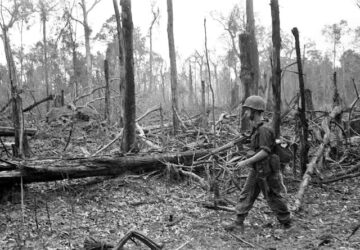 When the Vietnam War finally ended on April 30, 1975, it left behind a landscape scarred with environmental damage. Vast stretches of coastal mangroves, once housing rich stocks of fish and birds, lay in ruins. Forests that had boasted hundreds of species were reduced to dried-out fragments, overgrown with invasive grasses.
The term “ecocide” had been coined in the late 1960s to describe the U.S. military’s use of herbicides like Agent Orange and incendiary weapons like napalm to battle guerrilla forces that used jungles and marshes for cover.
Fifty years later, Vietnam’s degraded ecosystems and dioxin-contaminated soils and waters still reflect the long-term ecological consequences of the war. Efforts to restore these damaged landscapes and even to assess the long-term harm have been limited.
As an environmental scientist and anthropologist who has worked in Vietnam since the 1990s, I find the neglect and slow recovery efforts deeply troubling. Although the war spurred new international treaties aimed at protecting the environment during wartime, these efforts failed to compel post-war restoration for Vietnam. Current conflicts in Ukraine and the Middle East show these laws and treaties still aren’t effective.
More here.
Enjoying the content on 3QD? Help keep us going by donating now.