
Dennis Duncan in the New York Times:
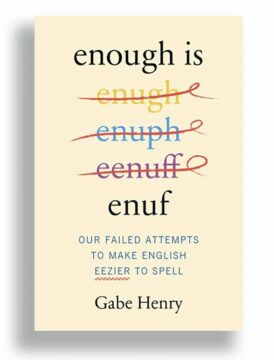 A century ago, one of the richest men in the world decided to wade into the public sphere by throwing his weight behind a series of cuts that would reach into every corner of American life. The president of the day, sensing early support for these reforms and not wishing to be left behind, jumped on board with impulsive zeal, demanding that all federal offices implement the cutbacks with immediate effect.
The year was 1906, the protagonists Andrew Carnegie and Theodore Roosevelt, and the campaign was the movement for simplified spelling, which proposed to trim the fat from the English language by turning words like “through” and “although” into “thru” and “altho.”
The president’s fervor would prove incautious. Stripping the written language of its historical idiosyncrasies is by no means an easy sell. After all, we have a kind of sunk-cost attachment to difficult words since we expended so much effort in learning them as children.
More here.
Enjoying the content on 3QD? Help keep us going by donating now.