
David Cortright at the Boston Review:
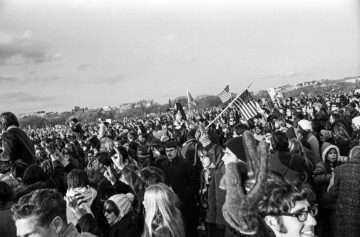 We hoped that our collective struggles had made a difference in ending a war that never should have been fought.
Fifty years later, the consensus is firm: we had. Over the years, scholars have documented the many influences of peace protest in altering U.S. policy. As Carolyn Eisenberg affirms in her recent history, Fire and Rain, “Waves of mass demonstrations, accompanied by growing resistance inside the military, ongoing electoral activity, and lobbying efforts on Capitol Hill imposed significant constraints on presidential decision making.” Over the course of the war, as the pressure intensified, White House decisions were increasingly based on concerns about public opinion and antiwar action, writes historian Melvin Small.
Today, amid the political devastation in Washington, examining how peace protesters confronted the U.S. war machine holds vital lessons.
More here.
Enjoying the content on 3QD? Help keep us going by donating now.