
Olúfémi O. Táíwò in The Nation:
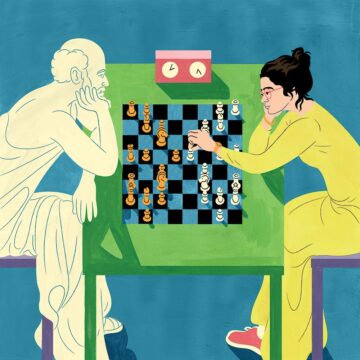 Agnes Callard’s Open Socrates is like many works of philosophy: It is addressed to a certain kind of skeptic. Most philosophical works are addressed to skeptics, but they tend to be philosophical skeptics—the metaphysician who doesn’t find arguments for the existence of the external world convincing, the philosopher of knowledge who isn’t quite sure our hunches count as “knowledge,” the moral philosopher who hears talk of “normativity” and can’t shake the mental image of a cop barking orders ultimately backed by violence rather than deep moral truth. Those skeptics are, at bottom, in on it: They are moved and movable by philosophical argument, or so we imagine.
Callard’s book is addressed to a different kind of skeptic: the one skeptical of the philosophical life. As she writes in the introduction, even academic philosophers often separate the rest of their own lives from their philosophical inquiry and give anodyne and bloodless justifications, such as the development of “critical thinking skills,” when pressed about the discipline’s value. This evasion amounts to the conviction for many of us that we are already intellectual enough about how we live our lives and that we shouldn’t “overdo it” when it comes to living reflectively. Callard wants to make the case for taking a different path, for the examined life: a life of courage and curiosity that is modeled, she argues, after Socrates and his approach to relentless questioning and open-ended philosophical conversations.
More here.
Enjoying the content on 3QD? Help keep us going by donating now.