
Sam Dalrymple at Literary Hub:
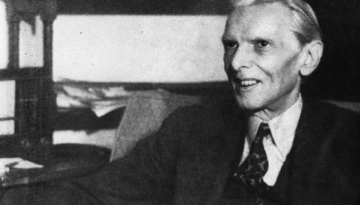 When the Simon Commission met Jinnah in the lobby of the Western Hotel in February 1929, everything about him belied the fact that he would soon found the world’s first Islamic republic: Pakistan. A reserved Gujarati barrister-turned politician who the New York Times described as “undoubtedly one of the best dressed men in the British Empire,” he drank whisky, ate pork and was renowned for chain-smoking cigarettes in his open-top limousine.
The question of how this man evolved into the founder of Pakistan is one that has puzzled historians for close to a century, and that the Simon Commissioners themselves would reflect upon repeatedly in the years to come. Growing up in Hindu-majority Karachi, Jinnah had originally wanted to be a Shakespearean actor, but he proved unsuccessful and instead enrolled in a law degree, resolving never to fail at anything ever again. By the end of the Great War, he had become one of the best paid lawyers in the country, an elected member of the Viceroy’s Imperial Legislative Council; the tallest leader in Muslim politics, and well on his way to becoming the most important Congress leader. With his meticulous attention to detail, Jinnah could navigate himself precisely where he needed to be, a trait that often made him seem aloof. But those who knew him well found him to be warm and exceptionally intelligent.
More here.
Enjoying the content on 3QD? Help keep us going by donating now.