
Sarah Nicole Prickett at Bookforum:
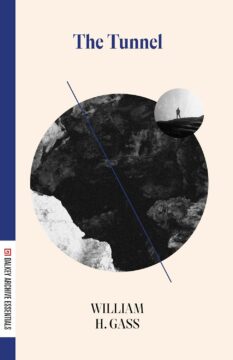 PEOPLE WHO FOLLOW the teachings of Wittgenstein, whether or not they do so wittingly, find nothing more frightening—or more potentiating—than a state of wordlessness: the end of the world. We can see this clearly in the time of live-streamed genocide, when the avowal that “there are no words” is often what passes for attunement to the state of emergency. There are people for whom the breached limit or the threatened loss of language means the necessity of making a new world. For some, it is time to propagandize for the new world by deeds. These people are often called activists sometimes actionists. Others take wordlessness as a personal challenge, a demand to pry, grind, or hammer out more words. These people are usually writers. (To write and act simultaneously is classically difficult.) Among the latter group it is William H. Gass, the novelist, essayist, and sometime professor of philosophy who as a graduate student saw Wittgenstein speak at Cornell, a fact that slightly bends time for me, since Wittgenstein seems very old and Gass, though he is dead, so new. His prose is voracious, voluptuous. He refuses to find anything unsayable. This beautiful if dubious ambition reached its expressive apotheosis in his great big book The Tunnel, first published in 1995 and newly reissued by Dalkey Archive Press, which claims it will sell more copies this year than in the three decades prior.
more here.
Enjoying the content on 3QD? Help keep us going by donating now.