
A J Lees at Literary Review:
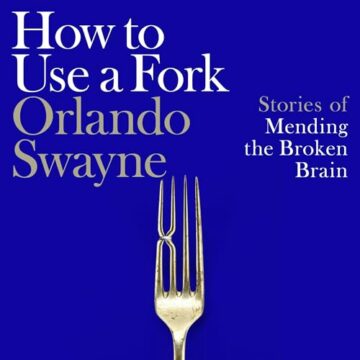
When I became a doctor in the late 1960s, patients admitted with a stroke were nursed out of sight in quiet side cubicles, removed from the bustle of the open wards. On bedside visits we encouraged them to move their lifeless limbs, to speak and to work hard with the therapists. When they despaired, we offered hope, telling them that improvement could continue for up to a year. Those unable to go home were transferred after several weeks to ‘warehouses’, often at the far end of daunting corridors in district general hospitals. There they languished, drinking Guinness and smoking cigarettes. The priest was a more frequent visitor than the physiotherapist. These victims of misfortune had been all but abandoned by the medical profession and sometimes by their families too. The Royal Hospital for the Incurables in Putney and the National Spinal Injuries Centre at Stoke Mandeville were lone beacons of enlightenment in the south of England. In the great London teaching hospitals, the handful of physicians who took an interest in the rehabilitation of the acutely brain-injured were disparaged by the brotherhood (neurologists at that time were all men) as second-rate diagnosticians or well-meaning cranks.
more here.
Enjoying the content on 3QD? Help keep us going by donating now.