
Meg Schoerke at the Hudson Review:
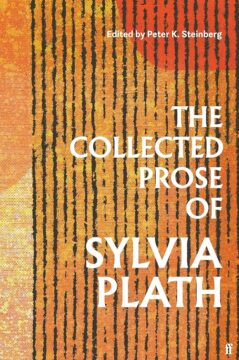 Although Sylvia Plath is best known for the cutting lyricism of Ariel (1965) and for her autobiographical novel, The Bell Jar (1963), her career goal as a writer was threefold: to write poetry, novels, and short stories. As detailed in her journals, she devoted equal time to poetry and fiction, shifting her focus to stories when she felt stalled as a poet, then returning to poetry when she lost confidence in herself as a fiction writer. More than a record of her experiences, the journals document her clear-eyed assessments of her strengths and weaknesses as a writer, her resolve to improve through relentless practice, and, especially for the short fiction, her ongoing study of markets she sought to crack: literary venues such as The New Yorker, The Atlantic Monthly, and The London Magazine; women’s magazines such as Mademoiselle, Woman’s Day, Ladies’ Home Journal; and even pulp monthlies such as True Story. As these last examples suggest, Plath’s objective as a short story writer, beginning in high school when she submitted work to Seventeen Magazine, was to make money, initially to supplement her college scholarships, and then to earn a living as a professional writer—and sustain her career as a poet—without having to teach. To expand her range of genres and contribute to the income stream, Plath also wrote nonfiction.
more here.
Enjoying the content on 3QD? Help keep us going by donating now.