
Madeleine Adams at The Baffler:
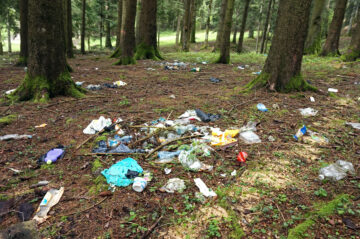 Trash is the hidden foundation of modern civilization. The ancient Trojans waded “ankle deep” in pottery shards and animal bones and whatever else they threw on the floor until they got so fed up with the mess that they paved it over. Rome’s first underground sewer, the Cloaca Maxima, which used the city’s rivers to sweep away waste, was constructed in the third century BC. Writing over two centuries after its construction, Livy praised the Cloaca as a monument without match, and Pliny, writing about a hundred years after him in AD 77, called it the “most noteworthy achievement” of the Roman Empire, beating out the Colosseum and the Parthenon. At the time of its construction the Cloaca was an engineering spectacle, and it also became a symbol of Roman civic virtue. Sturdy infrastructures that served the people endured; flashy monuments to emperors did not. During floods, Pliny noted, “the street above, massive blocks of stone are dragged along, and yet the tunnels do not cave in.” Humbly concealed by walls and by continued elevations of the surface of the city through centuries of accumulated matter, its invisibility ensured its durability.
more here.
Enjoying the content on 3QD? Help keep us going by donating now.